


Bitcoin in 2025: Is It Still the King of Cryptocurrencies?
Bitcoin, the first and most recognized cryptocurrency, has dominated the digital asset space since its inception in 2009.
Retail sales data is one of the most critical economic indicators, providing insight into consumer spending habits and overall economic health.
Inflation is a crucial economic indicator that significantly impacts the financial lives of individuals and households.
Economic indicators play a crucial role in understanding the health of an economy.
As a business owner or decision-maker, it's essential to stay informed about the economic climate and understand how it impacts your company's growth potential.
As the saying goes, "what gets measured, gets managed.
The trade balance is one of the most critical economic indicators that influences not only individual countries but also the global economy.
In the world of crypto currency, keeping digital assets secure is of utmost importance.
In recent years, two major investment categories have captured the attention of both novice and seasoned investors: cryptocurrencies and stocks.
In the rapidly evolving world of cryptocurrency, stablecoins have emerged as a crucial asset class for investors seeking stability in the otherwise volatile crypto market.
Cryptocurrency has evolved far beyond its early days of simple speculation and trading.
Cryptocurrency investment has rapidly gained traction over the past decade, transforming the way people think about financial assets.
In recent years, Bitcoin has cemented its status as a revolutionary digital asset, reshaping the landscape of investment.
Buying your first home is a major milestone, but in 2025, the housing market presents unique challenges and opportunities for first-time homebuyers.
Welcome to our comprehensive guide on property management, designed to provide essential tips for landlords and investors in the real estate industry.
The real estate market is constantly evolving, and one of the primary drivers of this change is technology.
As we move further into the 2020s, real estate investors are increasingly faced with a critical question: should they invest in short-term rentals or long-term rentals to maximize their return on investment (ROI)? Both strategies have their merit, but the dynamic landscape of the real estate market, coupled with socio-economic factors, technology, and consumer behavior shifts, makes 2025 a pivotal year for real estate investment decisions.
In a world where traditional investment avenues often yield lower returns, many investors are turning their gaze toward real estate finance, particularly private money lending.
The vacation rental market, popularized by platforms like Airbnb and Vrbo, has been a lucrative investment opportunity for real estate investors seeking passive income and property appreciation.

Investing in the stock market can be a rollercoaster ride of emotions, with fear and greed frequently driving investment decisions.

Welcome to our comprehensive guide to understanding the exciting world of the stock market.
Economic uncertainty is a constant in financial markets, and in 2025, concerns about a potential recession are top of mind for investors.
Technology stocks have been a driving force in the stock market for decades, delivering outsized returns during bull markets but also facing significant volatility during downturns.
In the ever-changing landscape of the financial markets, investors often find themselves searching for safe havens during periods of economic uncertainty.
Investing in the stock market can be a lucrative way to grow your wealth over time.
Cryptocurrencies like Bitcoin and Ethereum have transformed finance, but their environmental impact remains a contentious issue.
Bitcoin, the first and most recognized cryptocurrency, has dominated the digital asset space since its inception in 2009.
Cryptocurrency mining, once a lucrative pursuit for tech enthusiasts and investors, has evolved significantly since Bitcoin’s early days.
Ethereum, the second-largest cryptocurrency by market capitalization, continues to evolve as a leading blockchain platform, powering decentralized finance (DeFi), non-fungible tokens (NFTs), and smart contracts.
Stablecoins, cryptocurrencies pegged to stable assets like fiat currencies or commodities, have emerged as a cornerstone of the digital finance ecosystem.
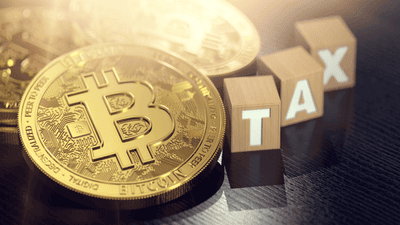
As cryptocurrencies like Bitcoin, Ethereum, and stablecoins gain mainstream adoption, understanding their tax implications has become critical for investors, traders, and everyday users.